As California grapples with a series of severe winter storms that have led to flooding, mudslides, and property damage, many homeowners and drivers are facing a daunting challenge: understanding their insurance coverage and how to file a claim.
In a February 2024 NBC4 Los Angeles segment, Karl Susman, president of the Susman Insurance Agency, provided clear advice for Californians dealing with storm-related damage. Drawing from over three decades of industry experience, Susman broke down the process and explained the key steps homeowners and drivers should take to file claims effectively, what’s covered, and how to avoid common mistakes.
1. Before the Storm: Proactive Preparation Is Key
Before the storm hits, Susman emphasizes the importance of preparation. Simple steps can significantly reduce potential damage:
- Turn off sprinklers to prevent water from worsening flooding.
- Park your car in the garage or under cover to protect it from hail, falling branches, or debris.
- Keep your phone charged, as it’s essential for emergency alerts and documenting damage.
Additionally,
review your insurance policy before the storm. Ensure that it’s up to date and clearly understand what’s covered (and what’s excluded).
Susman’s advice:
“Stay present, stay safe, and prepare as much as you can.”
2. After the Damage: File Promptly and Be Patient
If you suffer damage during the storm, Susman stresses the importance of
immediate reporting. As soon as it’s safe, contact your insurance company and file a claim.
With the high volume of claims after major weather events, response times may be longer than usual.
“Be prepared for longer-than-usual hold times,” Susman advises, and always ask for a claim number, which is essential for tracking your claim.
3. Don’t Worry About “Small Claims” — This Is a Catastrophe Event
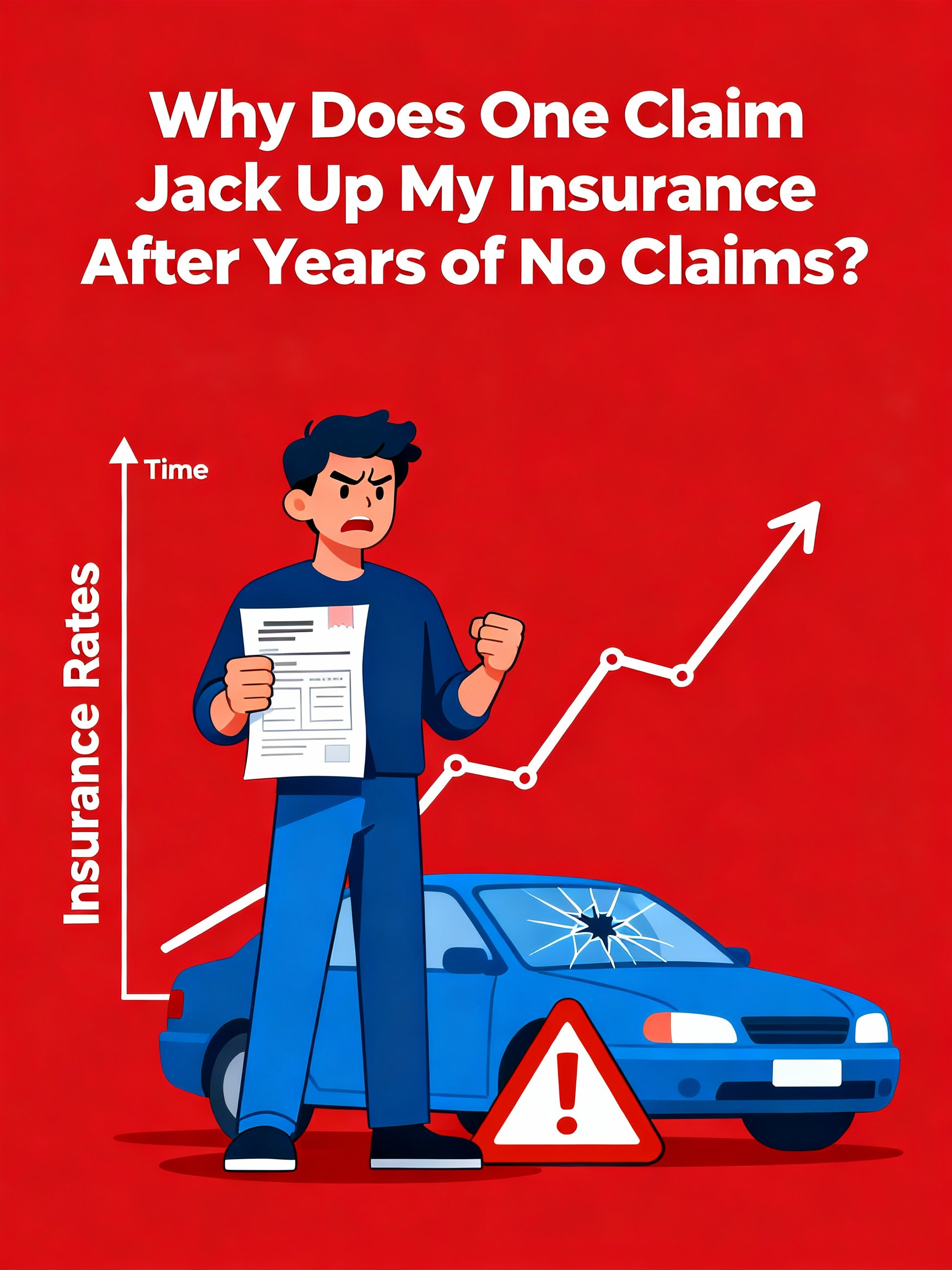
Many homeowners hesitate to file claims out of concern it will increase their premiums or lead to non-renewal. However, Susman reassures consumers that storm-related claims are often treated as
“catastrophe events” (CAT events) by insurers.
“When a catastrophe event happens, they don’t tend to consider it a claim against your record,” Susman says. This means homeowners should not hesitate to file legitimate claims due to fear of repercussions.
4. Know What’s Covered — and What’s Not
Storms can cause a variety of damage, but not all types are covered under a standard homeowners policy.
Covered:
- Wind damage
- Rain entering through wind-damaged areas
- Water damage from above (such as roof leaks)
Not Covered:
- Flooding, mudslides, and debris flows
- Earth movement events, such as landslides or mudslides, are typically excluded
Susman explains that
“Homeowners policies generally exclude damages caused by mudflow, mudslide, debris flow, landslide, or other similar events.” If your home is affected by one of these perils, you might be eligible for
state or local financial assistance.
5. Flood vs. Water Damage: Know the Difference
A common source of confusion is the distinction between
flood damage and
water damage.
- Water from above (e.g., rain entering through a roof leak) =
covered by most homeowners insurance policies.
- Water from below (e.g., groundwater or overland flooding) =
not covered, unless you have
flood insurance.
Flood insurance can only be purchased through the
National Flood Insurance Program (NFIP) or a private insurer, and it typically has a
30-day waiting period before it takes effect.
6. Auto Damage: Comprehensive Coverage Is Key
For vehicle damage caused by storms,
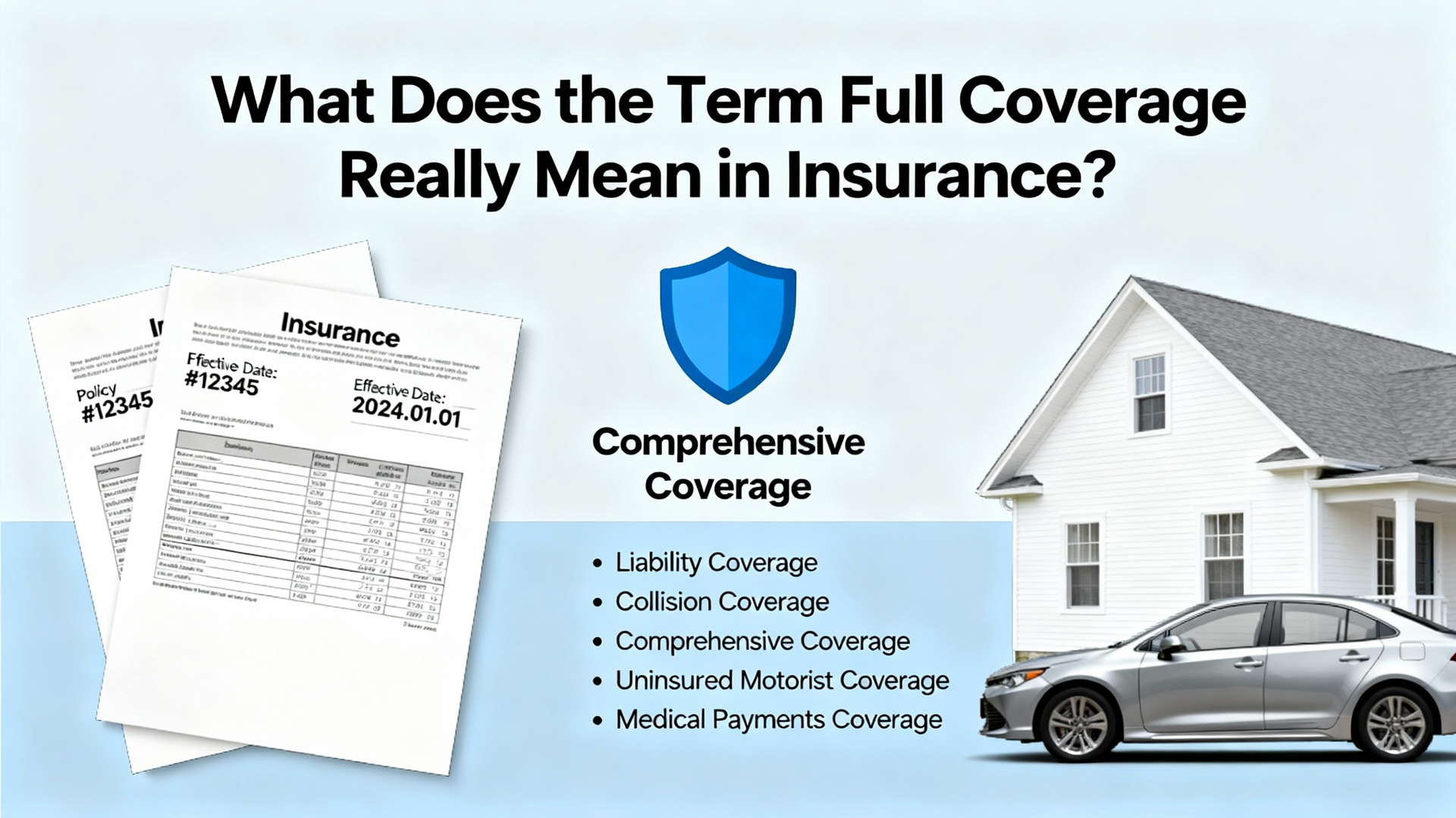
comprehensive auto coverage is necessary. This type of coverage protects against non-collision events, including flooding, hail, and falling debris. If your car sustains damage, file a claim under your comprehensive coverage.
Susman clarifies:
“The insurer will either repair the vehicle or pay its value depending on your policy’s terms and the extent of the damage.”
7. Document Everything — Before and After
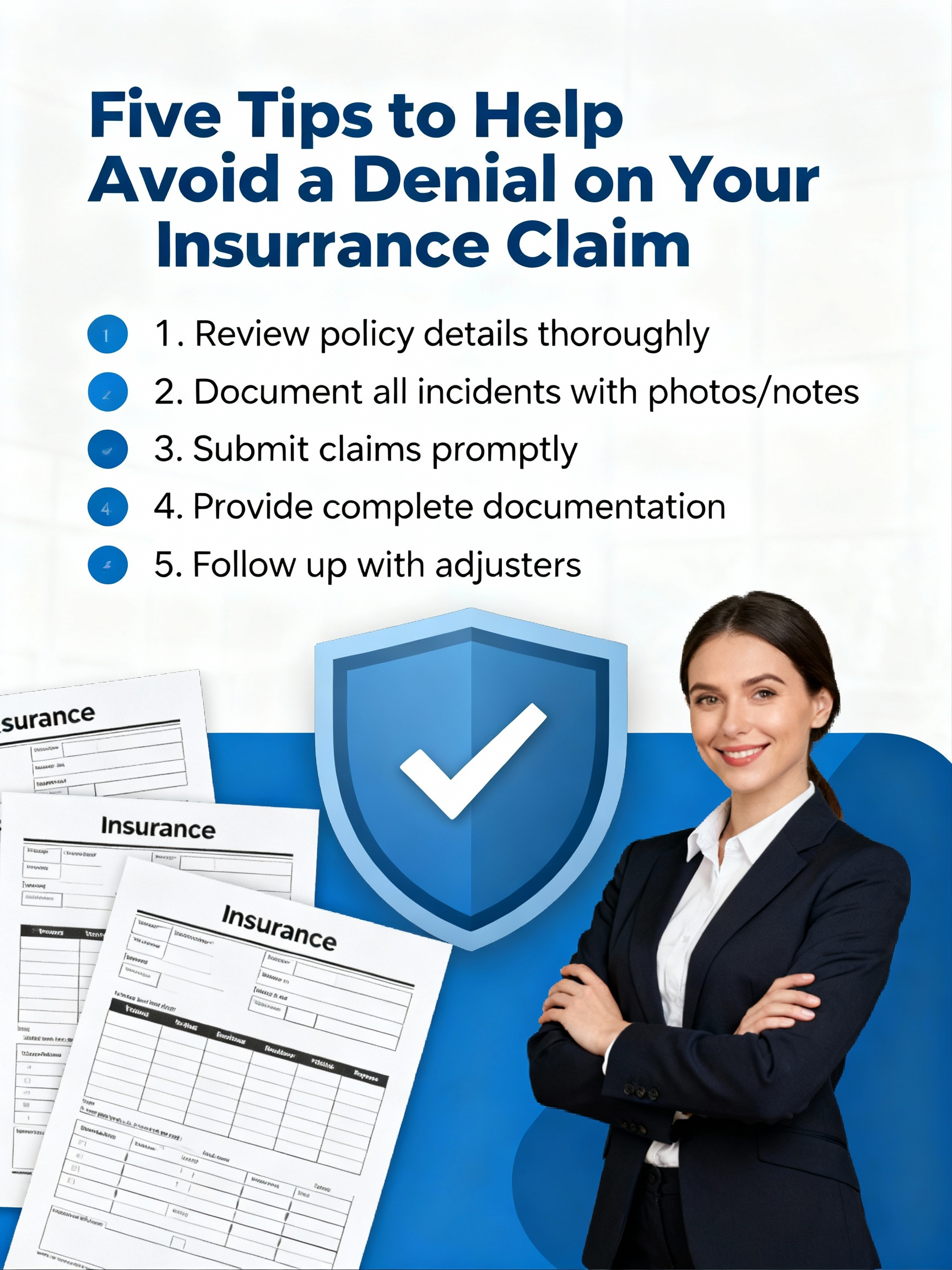
Proper documentation is crucial to a smooth claims process.
“Take photos and videos of the damage, both before and after,” Susman advises. This visual record helps substantiate the extent of the damage, ensuring faster and more accurate claims processing.
Susman recommends homeowners document not only the damage but also any preventive steps they’ve taken, such as boarding up windows or tarping roofs.
8. Mitigate — But Don’t Repair Yet
Homeowners should take reasonable steps to
mitigate further damage (such as covering holes in the roof or turning off the water), but
do not begin repairs until the insurance adjuster arrives.
This is crucial because insurers need to inspect the damage before significant repairs are made. If repairs begin too early, key evidence may be lost, potentially complicating or delaying the claim.
9. Food Spoilage and Power Outages — Sometimes Covered
Power outages are a common consequence of severe storms, and homeowners may wonder if
food spoilage due to power failure is covered. Susman explains that coverage depends on the cause of the outage:
- If the outage is
directly caused by storm damage (e.g., a tree falling on power lines), it may be covered.
- If the outage is due to a general
grid failure, it’s typically not covered.
Always check the specifics of your policy to understand the conditions under which food spoilage or similar losses are reimbursed.
10. Talk to Your Broker or Agent
Given the complexity of California’s insurance market, Susman emphasizes the value of keeping an open line of communication with your
broker or agent. They can help clarify coverage details, guide you through the claims process, and assist with temporary coverage options if your insurer drops you due to high-risk events like storms.
Conclusion: Control What You Can
As Susman puts it,
“Stay present, stay safe,” and make sure to document, communicate, and mitigate as much as possible. While the storm and its aftermath can be unpredictable, how you respond doesn’t have to be. Taking proactive steps can significantly impact the speed and outcome of your insurance claims.
By following these simple yet effective guidelines, homeowners and drivers can ensure they’re prepared for the worst, help speed up their recovery, and avoid common pitfalls that might otherwise delay or deny claims. In California’s unpredictable climate, knowledge truly is power when it comes to protecting your property and your financial future.